 MI Szeminárium
The Technology Powering Personal Digital Assistants
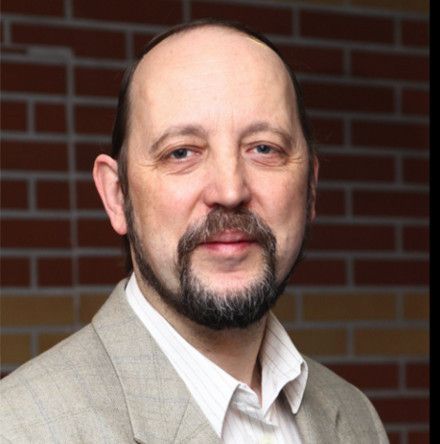
Németh Géza: The Technology Powering Personal Digital Assistants. TMIT MI Szeminárium, 2025. november 7. https://ai.tmit.bme.hu/talks/the-technology-powering-personal-digital-assistants/
Átirat · 26:08
I thought about uh [snorts] trying to uh go back uh to some a little
Átirat · 26:15
bit in time about 10 years and actually most of the slides here come from Rui
Átirat · 26:21
Sarikaya who was a Microsoft Corporation uh researcher at that time and he gave a
Átirat · 26:27
keynote talk at inter speech in Dresden Germany and then uh it was so good that I asked
Átirat · 26:34
him to give the talk to me uh the slides and then I'm still using it and uh I
Átirat · 26:41
think that it can be useful right now for you as well. So I will try to explain uh why personal digital
Átirat · 26:48
assistants u came to life. what is uh their role and uh why it has not changed
Átirat · 26:57
that much uh in the last 10 years even if there was uh there were a lot of
Átirat · 27:02
events but please remember that the breakthrough in deep learning happened in speech recognition in about 2011 2012
Átirat · 27:12
and uh already uh three years later uh there were some uh well widely known
Átirat · 27:21
techniques uh that are still there. So it's a good outline what you see here
Átirat · 27:27
that why are they why are they important and um what are the lessons which are
Átirat · 27:33
still there and it's very interesting for me to see um well what happens so here we have some very nice ideas and
Átirat · 27:41
very nice people so I would like to ask you uh please raise your hand if you use
Átirat · 27:47
uh digital assistant let's say once a week from here who are those people who
Átirat · 27:54
use a digital assistant once a week. Okay, so it's like minority and uh we'll
Átirat · 28:02
see why. Um so already 10 years ago we had Siri,
Átirat · 28:08
we had Google Now, we had Cortana, Echo, Amazon Alexa and whatever. So they were
Átirat · 28:15
all there and even now when I ask just very few people use them. So the
Átirat · 28:22
question is why and that's why it's uh good to see um well what it is actually
Átirat · 28:30
um and the main point is that it is a sort of meta layer of intelligence. So
Átirat · 28:35
they want to do something which we usually do like one by one and it would
Átirat · 28:42
provide um integrated environment and the natural language interface where the
Átirat · 28:47
natural language is sometimes typing which is like typing I think is not so natural. So um very few people are born
Átirat · 28:55
by typing and reading and writing. Um actually we are speaking and um
Átirat · 29:03
already like a two or three year old child is very good in controlling the environment by speech or even not even
Átirat · 29:10
speech but just by sounds. So I have a a granddaughter at the three month and
Átirat · 29:16
she's very good in providing information about her mental state just by providing
Átirat · 29:22
some sounds. So then uh what are the techniques which are used here? machine
Átirat · 29:28
learning, speech recognition, natural language processing, dialogue management, ranking, inference,
Átirat · 29:34
personalization and so on. So all these things have been there um or were there
Átirat · 29:39
10 years ago and they are still with us. We are still working on them. It's a good question actually why do we need uh
Átirat · 29:47
this kind of technology and uh the most important of course is varial
Átirat · 29:54
things. So first take certain routine things uh which I don't want to do so
Átirat · 29:59
much and have some more efficient way of uh getting information.
Átirat · 30:06
So the main point would be to make our life more productive
Átirat · 30:12
uh both in work. So a good example could be which is still there. You booked a
Átirat · 30:18
flight a couple of weeks ago and then what could happen? your assistant re
Átirat · 30:23
recognizes uh that you did that booking uh through email then it can u compute
Átirat · 30:32
your current uh location and find out what are the traffic conditions and then you tell you when you have to start yes
Átirat · 30:39
it's a problem I think the same problem inclusion Budapest that we have traffic jams and it's not so easy to get to the
Átirat · 30:46
airport so sometimes um probably is better to drive uh from Budapest clues, then take the plane
Átirat · 30:53
because probably uh it's more deterministic and then we could have this kind of uh
Átirat · 31:00
screen on our uh mobile phone and giving us uh instructions and theoretically
Átirat · 31:07
already 10 years ago it was claimed that this can provide a breakthrough and we
Átirat · 31:14
are here 10 years later and we are still waiting for the breakthrough.
Átirat · 31:20
Okay. And the good question is that if we are still waiting then why are they investing into the thing. The first
Átirat · 31:29
thing is that um already yes we have more slow we have u
Átirat · 31:34
better and better uh techniques uh but it means that there are new and
Átirat · 31:42
new devices uh and after a while if you look at uh global shipments already like
Átirat · 31:51
10 years ago it turned out that everybody buys basically smartphones and
Átirat · 31:56
then all the rest laptops and tablets and whatever they are uh not so much.
Átirat · 32:03
And if you look at uh the number of shipments which I added a little bit later, it turns out uh that actually
Átirat · 32:11
um we are buying less and less of those devices because already everybody has something. So then we are just replacing
Átirat · 32:19
the old ones. So mobile there is a mobile for domination but
Átirat · 32:26
um already um 10 years ago about 23 of the like
Átirat · 32:31
real population like above 12 years already owned a smartphone. So here uh
Átirat · 32:38
we can see um the general statistics of 10 years ago and then we if we go a
Átirat · 32:45
little bit further uh to more uh recent data basically we see the same there is
Átirat · 32:51
a sm small increase but not uh really big.
Átirat · 32:57
So it means uh that from a business point of view where companies should
Átirat · 33:02
grow and uh have more and more sales and more and more profit. It turns out that from the smart devices they cannot
Átirat · 33:11
um make more money. So then the next idea was if you cannot sell more software then let's try to sell more
Átirat · 33:19
software. So then they started to introduce software stores
Átirat · 33:25
and uh already 10 years ago we had like 1.6 million applications in a standard
Átirat · 33:33
software phone uh store. And now um if we look uh at more recent things we see
Átirat · 33:42
about u the same. So maybe for Google Play we have more more than 3 million
Átirat · 33:48
for the Apple store about 2 million but basically it does not make much
Átirat · 33:54
difference. So who will look at 2 million applications? how much time that
Átirat · 34:01
would take and how can you find something if you if you need.
Átirat · 34:07
Um so then there was a an increasing number of downloads. It is uh still
Átirat · 34:13
there but the problem is that usually uh you download maybe around 30
Átirat · 34:21
applications in a year on your phone. So it could be a good homework for you uh
Átirat · 34:27
colleagues to look at your phone and count the number of applications that you have on your phone. And what is even
Átirat · 34:34
worse from the business point of view that uh you download maybe 30 40 applications in a year but you will only
Átirat · 34:42
use 12 of them in a month. So again it could be a good exercise for you try to
Átirat · 34:49
count the number of applications that you use uh within a month. So it means that uh about 80% of the applications on
Átirat · 34:58
the software sports are dead like practically nobody uses them. So then
Átirat · 35:04
people start uh uh to find like strange ideas already 10 years ago there was an
Átirat · 35:10
application which would count your next pe time when you are supposed to go to the toilet and these kind of uh very
Átirat · 35:18
intelligent applications appear. uh so the next uh challenge is uh about
Átirat · 35:25
how you spend your time with these devices and the applications. So already
Átirat · 35:31
10 years ago it happened that uh people started to spend um about the same
Átirat · 35:38
amount of time uh on mobile phones than on the television.
Átirat · 35:44
And then if you look at more recent statistics, we can see uh that now you
Átirat · 35:51
people in the US at least but I guess also here spend more time on the mobile
Átirat · 35:56
phones than on the television. But and there is a small decrease on the
Átirat · 36:03
television time. Uh but if you add up uh actually it is more and more. So you
Átirat · 36:08
spend more and more time um both on the phone and the TV. sometimes maybe in
Átirat · 36:14
parallel so you can check in your home for example how much you have the TV
Átirat · 36:20
turned on while you are watching your mobile phone and u and then of course there is a
Átirat · 36:27
competition who can gain your time so that you would be there so it's again a
Átirat · 36:35
um bottleneck uh cognitive bandwidths um and also the
Átirat · 36:40
amount of time you are willing to spend on uh learning an app
Átirat · 36:46
whether usually when I ask my students in UX and
Átirat · 36:51
AI course um most people say that they never spend more than one minute on
Átirat · 36:57
learning an application. So if you are developing software this is a really big challenge and um if you look at the
Átirat · 37:04
statistics um how people uh spent uh their time 2009 uh 2013
Átirat · 37:11
you can see uh that somehow it's strange because
Átirat · 37:16
um if you add up all the time that people spend here and there then basically you have no time to sleep
Átirat · 37:22
because uh something had to uh happen and then of course we can question.
Átirat · 37:28
Okay, where do we use the phones? Already 10 years ago, the situation was something like that. Uh so even if you
Átirat · 37:37
want um something you need to do some messaging uh over the phone otherwise
Átirat · 37:44
it's hopeless to reach people. So now we have a a very special uh way of life
Átirat · 37:50
because then we don't have uh professional life and uh personal life
Átirat · 37:57
because uh the two get absolutely confused. So sometimes when people ask
Átirat · 38:02
me how many are my working hours at the university, I would say 24 hours. And uh
Átirat · 38:10
because uh anytime any device uh can ring me and send information even in
Átirat · 38:15
very special situations like this and um so it means somehow we need some
Átirat · 38:23
help uh to handle uh this thing. And then the idea is that uh these personal
Átirat · 38:29
assistants could help us in this. So the question is why companies invest in this
Átirat · 38:36
because here there seem to be uh motivation there seem to be bottlenecks
Átirat · 38:42
and then somehow uh these requirements should be filled.
Átirat · 38:48
So 10 years investment and uh nothing happened. So it seems uh that this is a
Átirat · 38:56
big growth area and they supposed already 10 years ago that it the business will be more than 100 billion
Átirat · 39:02
US dollars per year and it has not come yet but uh why it's interesting because
Átirat · 39:12
uh it is something like um we had in department stores. So there are people
Átirat · 39:19
who want to have some products that are sold in the department store. They have to pay to the department store to put it
Átirat · 39:25
in the good position. And now that may happen in software that those people who
Átirat · 39:30
those companies who win the assistant competition assistant business they will
Átirat · 39:37
uh get money from those who are uh doing uh the messaging systems who are doing
Átirat · 39:43
the navigation systems and uh booking.com and so on. and we shall see it a little bit later.
Átirat · 39:50
So because the main idea is that they will integrate the potentially all the
Átirat · 39:57
important applications in a scalable way into one uh user uh scenario. So for
Átirat · 40:04
example, if you want uh to travel from somewhere, then the various uh
Átirat · 40:09
applications will be called here. And why are they personal? because uh they
Átirat · 40:16
know what we do probably they know our interest they should see uh what we
Átirat · 40:24
actually need and and also know the location where it happens but the problem is uh for that they need a lot
Átirat · 40:31
of data a lot of personal data so I think like security would be very happy
Átirat · 40:36
to know know all that data that is required for this uh application we need
Átirat · 40:42
the computing uh capacity There has to be an interest from users and then there
Átirat · 40:48
has to be some um things. So how is it being performed? So one of the most
Átirat · 40:55
important thing is that we have more and more sensors in the phones. So it is
Átirat · 41:00
just a list of 10 years ago. Since then we have much more. So then from using
Átirat · 41:06
the sensors we can find a lot find out a lot about people. So they can uh measure
Átirat · 41:14
where we are, how we move. For example, we made a student project on identifying
Átirat · 41:19
the person just by walking. So the way you walk in 10 seconds, it's possible to
Átirat · 41:25
give who it is. So that would be a good application to prevent stealing our mobile phone. So the next question is uh
Átirat · 41:33
okay, how to make it personal? So you need a user profile uh see the activity,
Átirat · 41:39
location and time. And of course already a lot of people
Átirat · 41:44
try to do it but uh interestingly we are just trying to save our privacy. So it's
Átirat · 41:50
a controversy. We want to have this sort of intelligent assistant but uh we don't
Átirat · 41:56
want to give uh all this information and how uh can we imagine it like two
Átirat · 42:02
basic approaches. uh the first is proactive when the system knows what we need and then
Átirat · 42:09
offers some application or even does some activity for us or the reactive
Átirat · 42:14
part. So here we need a very interesting uh
Átirat · 42:20
background psychological background of theory of proactivity and uh see how things can be uh
Átirat · 42:28
automated and then the question is of course whether it really it would really do what we want or do something else and
Átirat · 42:35
uh sometimes we have uh that uh situation. So what would be the architecture? It tries to collect a lot
Átirat · 42:43
of information uh build a model on us and then in the real situation do the
Átirat · 42:49
inference uh activity and that's a big challenge uh to put the
Átirat · 42:54
inference on edge devices and uh do it well uh for us. The more traditional one
Átirat · 43:02
is the reactive classical uh dialogue system where we do some instructions and
Átirat · 43:08
uh also here you have a a lot of interactions but here we still have a
Átirat · 43:14
lot of design gaps. So young people here you have a good chance that probably in the next 10 years uh you will move these
Átirat · 43:21
things ahead and uh I cannot give the same talk 10 years from now hopefully.
Átirat · 43:28
So here you can see uh some examples. So the the big challenge is that the
Átirat · 43:34
personal assistant should be real something like a human assistant or at
Átirat · 43:39
least comparable. And uh here the key issue is how to
Átirat · 43:45
integrate third party applications into it because uh until now all these
Átirat · 43:51
assistants were monolithic uh applications from a single vendor and
Átirat · 43:56
then u the users of course have these uh challenges to handle the errors also
Átirat · 44:04
sometimes uh lack of competence both from the device and from the users. For
Átirat · 44:09
example, myself, I'm lacking the competence of driving a recent car. It
Átirat · 44:14
would take maybe one week uh to teach me how to use all the possible uh
Átirat · 44:19
functionalities. And then uh these uh things are even more complex. So it's a
Átirat · 44:25
good question from us. And the last key question is trust. whether are we willing to give all that information
Átirat · 44:32
that is very personal um very important to these systems and how can we gener uh
Átirat · 44:38
guarantee that the system use it in u in a in a proper way. Then next question is
Átirat · 44:45
how to measure these things. Um good question is how often we are
Átirat · 44:51
willing to uh to use it and then how successfully uh we do it and in the end
Átirat · 44:57
of course it should pro produce some revenue profit for the companies. It's not by accident that now we have all
Átirat · 45:02
this hype around AI but very little information about AI companies whether they generate profit or or generate loss
Átirat · 45:11
and then for the component systems uh we all have also have solutions uh to
Átirat · 45:17
measure it. So there are some traditional ways. So what are the big challenges? Third party speech
Átirat · 45:24
recognition, language understanding, just uh very few people know that in the
Átirat · 45:29
world we have about 7,000 languages and uh out of that maybe 3,00 500 400
Átirat · 45:37
4,000 are being used by a larger number of people and then most uh companies can
Átirat · 45:42
cover in the best case maybe 100 120 languages. So you have enough room for the remaining um maybe 3 4 thousand
Átirat · 45:52
and then here in the future uh we see a lot of challenges uh which will go on
Átirat · 45:58
and also where these uh techniques will appear. So not only in the smartphones but maybe in the cars maybe in the
Átirat · 46:05
watches or or anything and maybe uh it's also a question of how to take the
Átirat · 46:10
information from one device to the others. So you already see this uh challenge in uh for example watches,
Átirat · 46:18
rings, uh phones, PCs and so on. And the recent news with which I like to finish
Átirat · 46:24
my talk is that uh just a month ago um
Átirat · 46:30
they announced OpenAI that uh CH GPT will open uh up interfaces for third
Átirat · 46:37
party applications. Uh so this is like a a good question. uh
Átirat · 46:43
also for young people if you are able to create some very specific application that could integrate well with CH GPT
Átirat · 46:50
maybe it would be a good interesting uh research and business opportunity for you but it's also a a sort of risk for
Átirat · 46:58
everyone because uh if uh there will be some like big boss over everybody and
Átirat · 47:05
they decide whether which navigation is good for him and not necessarily for the
Átirat · 47:11
users then we can lose use in this and last but not least I'd like to recommend for you the Mfield project which is
Átirat · 47:19
about green and trustworthy AI with a number of uh partners where we are
Átirat · 47:24
partners there and you are all welcome uh to join uh this activity and put it
Átirat · 47:30
your calendar that uh at the end of July next year so last week of July in 26 we
Átirat · 47:40
shall have a special event on artificial intelligence in Budapest and you are all welcome there and if you have an
Átirat · 47:46
interest please let me know. Thank you very much.
Átirat · 47:51
[applause]
Átirat · 47:58
Thank you very much Gaza. And uh our next speaker is Roland Vida also from
Átirat · 48:03
the Budapest University of Technology and Economics.
Átirat · 48:22
Okay. And uh Roland uh arrived also from uh our department and he has uh several
Átirat · 48:30
courses on uh smart city and he is part of uh or actually one of the board
Átirat · 48:37
members of the sensors council of IT. So the floor is yours.
Témák
iMI-támogatott
Az MI az előadás tartalma alapján javasolja a hozzá leginkább kapcsolódó témaköröket. Szükség esetén új témakört is javasolhat; az új témák szerkesztői jóváhagyással kerülnek be az archívumba.
Összefoglaló
iMI-támogatott
Az összefoglaló az előadás átirata alapján, mesterséges intelligencia segítségével készült. A tartalmat az archívum szerkesztője ellenőrizte. Az MI által készített szöveg ennek ellenére tartalmazhat pontatlanságokat.
Fejezetek
iMI-támogatott
A fejezetcímek és időpontok az előadás átirata alapján, mesterséges intelligencia segítségével készültek.
Kapcsolódó előadások
i
A kapcsolódó előadásokat a témák és előadók közötti átfedések alapján rangsoroljuk. A legerősebb kapcsolódást mutató három előadás jelenik meg.
Az egyező témákat és előadókat kiemeljük.