 MI Szeminárium
Question and answer session
Question and answer session (panelbeszélgetés). TMIT MI Szeminárium, 2025. november 7. https://ai.tmit.bme.hu/talks/question-and-answer-session-beyond-ai-research-2025/
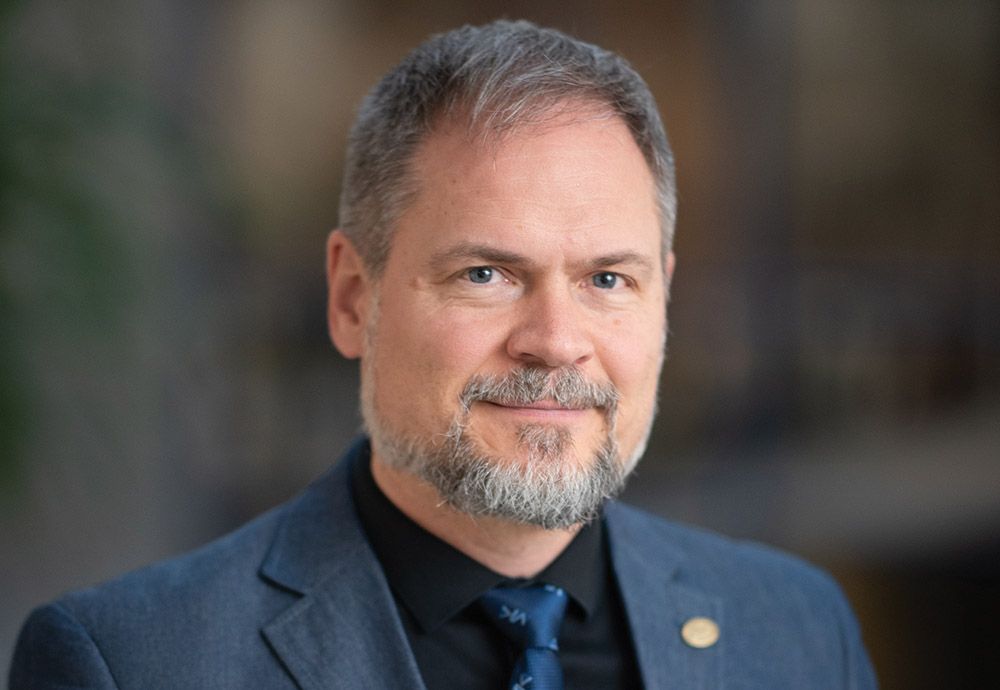
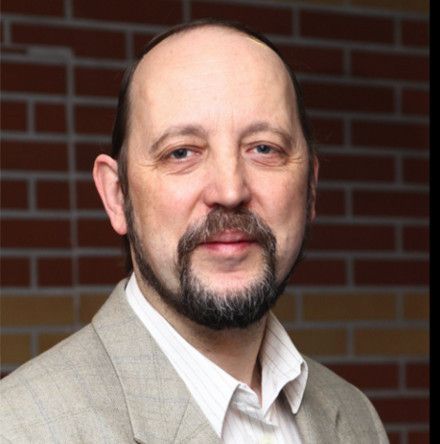
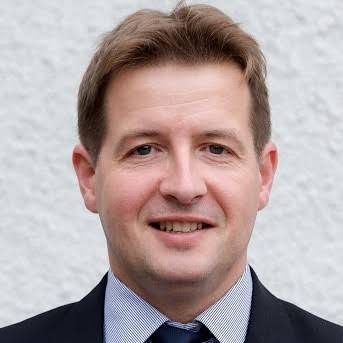
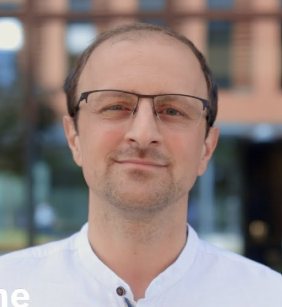


Átirat · 1:04:21
should have a short uh uh question and answer session. I at least have one
Átirat · 1:04:26
question. So if uh the speakers would uh line up here in in uh in this part and
Átirat · 1:04:33
that's what we discussed secretly. So we we still have six speakers here. So
Átirat · 1:04:40
please come up here and uh maybe there are questions from the audience and there's definitely question from me at
Átirat · 1:04:46
least one. So uh yeah.
Átirat · 1:05:00
Uhhuh. Yeah. Yeah. So please uh sit sit down. Yes. Yes. Up up up up there. Yes.
Átirat · 1:05:07
The the you are sitting in the middle. Yes. And maybe Gaza uh as uh Yes.
Átirat · 1:05:15
So
Átirat · 1:05:20
whenever you are uh wanting to speak, you just have to hit the mic and uh
Átirat · 1:05:27
that's it. Hello. Yes. Have you been sitting here Roland
Átirat · 1:05:33
as this is your university and your Yes, but never not Yes, this is my university but I never
Átirat · 1:05:40
seated in this seat. I was there always. Okay. Okay. So, any questions from the I I
Átirat · 1:05:46
have to put your uh nice pictures up. Maybe uh
Átirat · 1:05:52
I can do that now. Just a second.
Átirat · 1:05:59
Can I It's closed.
Átirat · 1:06:07
So now I can't I won't I will I have it. Okay. Just a second.
Átirat · 1:06:16
So until uh that please ask uh questions so we can put it out there. Yes. And
Átirat · 1:06:21
these are speakers. So uh questions from the audience to
Átirat · 1:06:28
anybody any it could be about anything. It should be somehow connected to the AI
Átirat · 1:06:33
or to today's topics. Who will be the first brave one?
Átirat · 1:06:40
Yes, there's a question there.
Átirat · 1:06:46
Yep. Uh so my question goes to Boton. This is uh if I understood correctly uh
Átirat · 1:06:52
all these models that you have presented basically output a uh an SDF so a sign
Átirat · 1:06:58
distance function uh and this is not ideal for CAD models as you've said because it is not that structured uh but
Átirat · 1:07:07
CAD models can be represented in other ways for example even textually you could say this is a circle for example
Átirat · 1:07:14
with a given radius and etc. Do you know about uh such research that creates
Átirat · 1:07:21
models that output uh CAD models in such a text uh structured way because it I
Átirat · 1:07:27
guess it would be more efficient. Yeah. Yeah. So there are papers um uh
Átirat · 1:07:33
what they basically do is first they output a point cloud those are going to
Átirat · 1:07:38
be the vertices and then they create edge curves. So basically curves between them there are edges right they can be
Átirat · 1:07:45
spine curves for example and from this you basically create the um and then for
Átirat · 1:07:52
every loop in this graph that you created then you can have a face right and then basically first you create the
Átirat · 1:07:58
geometry sorry the the topology basically of the cat and then after that
Átirat · 1:08:03
you fill in all the specifics of the curves and the you use nerves patches
Átirat · 1:08:10
and so So there's work on this direction it but it goes in the direction of of using
Átirat · 1:08:16
sequential models like language models for example. Mhm. Um and they also the data is super
Átirat · 1:08:22
limited. So you um have really basic objects as I said
Átirat · 1:08:27
like rectangles, cubes um few components for different
Átirat · 1:08:32
machinery but it's very far from getting into something that what I've shown you.
Átirat · 1:08:39
Yeah. Um, so CAT is the holy grail of of 3D models because it has everything that
Átirat · 1:08:46
is ready for production basically. But unfortunately there's not there's
Átirat · 1:08:52
limited data and the models are not yet good. So this thing goes hand in hand in
Átirat · 1:08:59
one way or another. But that's the status. I can show I can point you to a paper later on.
Átirat · 1:09:08
Thank you very much. Thank you. Uh, next question maybe
Átirat · 1:09:14
the audience general question could be as well. No, no, no troubles.
Átirat · 1:09:22
Not yet. Okay. I have I have one uh um question on
Átirat · 1:09:28
maybe today's topics. So uh you could be
Átirat · 1:09:34
remembering what has been taught today. Maybe one
Átirat · 1:09:39
message from somebody else that you learned if you were paying attention a
Átirat · 1:09:46
little bit either a general message or something that that really struck in your mind. So that was really nice idea
Átirat · 1:09:53
or nice things that uh you heard today. Anybody else? anyone
Átirat · 1:09:59
wants to start? Yes. Yeah. Giza, yes, this example based um explanation
Átirat · 1:10:08
is is a good idea and I like it. Thank you very much. Okay. So, yeah, let's let's go it like
Átirat · 1:10:15
in chain. So then you should
Átirat · 1:10:20
Well, yeah. I um I just like the uh Stefan's talk about uh about this
Átirat · 1:10:27
plethora of models and the the the duality between the academia and the and
Átirat · 1:10:34
the industry. Um I think u our focus I'm
Átirat · 1:10:39
I was for a very short time a non-academic person and our focus is always on uh the or my focus person is
Átirat · 1:10:47
on mathematic mathematical correctness of something and when it comes to
Átirat · 1:10:52
approximation everything looks the same uh at least for me and uh when when it's
Átirat · 1:10:58
not on the spot when it's not zero error then it's kind of people lose interests
Átirat · 1:11:05
or just tell me otherwise. But I think the summary was uh really nice of how to bridge this academia and the industry
Átirat · 1:11:13
side. Okay. Thank you.
Átirat · 1:11:21
Works. No, it works. Yeah. So maybe I would mention actually two ideas. So uh first of all regarding explanability
Átirat · 1:11:28
that's actually one challenge that I didn't have time to mention and actually that was pretty pretty cool what you are showing and that's actually a very u
Átirat · 1:11:36
open topic also for us as you know from our collaboration and still unsolved even today. So that's that's actually
Átirat · 1:11:42
something that u that came up and also the SDF the sign distance function um
Átirat · 1:11:48
idea uh which I think um in a different context of course because I was talking about perception it is also point of
Átirat · 1:11:55
interest um quite an interesting um technique that I liked um because it's
Átirat · 1:12:01
about representation of course and it's al as you have mentioned also right there's this separation between geometry
Átirat · 1:12:06
and appearance and so on which is very important for uh autonomous driving as
Átirat · 1:12:11
So yeah, thank you. I think these two so we are going uh not so around. So maybe Mikai you want to share.
Átirat · 1:12:20
So one idea well one moment that really stuck with me was when was that
Átirat · 1:12:25
explanation of how uh the machine learning evolved from general machine
Átirat · 1:12:31
learning and then to more deep learning and then now to foundational mod models and how everything is more homogeneous
Átirat · 1:12:37
and how this works. That was a really nice explanation of how things worked and so on. So this is what moment that
Átirat · 1:12:45
really struck to me. That's nice. Thank you Roland maybe.
Átirat · 1:12:52
Yeah. So, so for me it was interesting also to to see this uh talk from Gaza
Átirat · 1:13:01
about uh prediction uh seeing how predictions about technology might be
Átirat · 1:13:06
risky sometimes but if uh things do not work out as you planned doesn't mean that in 10 years time it will not uh
Átirat · 1:13:17
turn true actually. So uh you should never lose hope [laughter] in certain things.
Átirat · 1:13:22
Keep working. Thank you. But um so I I really like Stefan talk
Átirat · 1:13:28
because it was something close to what I what I do myself. And then yeah um I
Átirat · 1:13:33
love professor Nemit's talk because it was a really nice perspective on historical development of these systems.
Átirat · 1:13:40
Thank you. Uh anybody coming up with questions or Yes, there's one question
Átirat · 1:13:46
there.
Átirat · 1:13:52
Hello. I'd like to ask um Mr. Roland Vido. I was amazed uh to see in your
Átirat · 1:13:58
talk you mentioned um um a lot of uh successful spin-offs. Um I I'd be
Átirat · 1:14:05
curious to ask how do you manage how do you have so many successful collaborations with the industry and
Átirat · 1:14:11
which one do you think was the most successful among these? Thank you.
Átirat · 1:14:18
So collaboration with industry is is always a difficult issue but we we we um
Átirat · 1:14:27
I think we managed to do it quite well. So myself I'm heading uh a lab called
Átirat · 1:14:33
HSN lab. We have a cooperation with Ericson for 33 years. So it's uh we are
Átirat · 1:14:39
basically I could say that we are the uh the the academic leg of ind of of
Átirat · 1:14:46
Ericson at the university uh and uh it's it's very successful. So
Átirat · 1:14:53
it's not really in this field of of research of AI in in uh transportation
Átirat · 1:14:58
but in general um cooperation with industry is is successful if uh we can
Átirat · 1:15:07
find the the right way how to engage uh
Átirat · 1:15:12
them with our uh with our students to to have um yeah mutually beneficial um um
Átirat · 1:15:21
topics on on and uh uh project. So uh it
Átirat · 1:15:26
is more and more difficult these days to to uh find uh
Átirat · 1:15:32
people who would like to start a PhD let's say uh and u in because of several
Átirat · 1:15:40
reasons because uh yeah what happens on the job market and and and so on uh and
Átirat · 1:15:47
we need some industrial partnerships on this industrial funding for PhD scholarships uh that that are
Átirat · 1:15:56
the basis then for future research and we managed to do that quite well. Uh so
Átirat · 1:16:02
that's part of the success I guess. Yes. And I I can add to that one one
Átirat · 1:16:07
thing that we are keep uh uh going to these companies figuring out what they would need and have a value proposition
Átirat · 1:16:15
for them. What would we offer? uh we have workshops like this with industry
Átirat · 1:16:21
like this and uh rural especially organizes a lot of these that the
Átirat · 1:16:26
industry also also talks and academia also talks and we have direct deep down
Átirat · 1:16:32
uh discussions because they don't have that much time for research and uh we
Átirat · 1:16:38
have we do it for fun even and so so this works this way uh for the spin-offs
Átirat · 1:16:45
that's another story university has to help somehow and has to have some good
Átirat · 1:16:51
patterns also be before the front of our eyes.
Átirat · 1:16:57
My comment would be that uh at least in Hungary uh at least at our
Átirat · 1:17:02
university if a lab wants to survive you have no choice than to work with the industry because a large part of our
Átirat · 1:17:09
funding comes from the industry. Um and some academics look at it as some
Átirat · 1:17:14
dirty thing but I I don't think it's um if you do it well you get uh interesting
Átirat · 1:17:20
task and challenges from real life and then if you can solve it um after a
Átirat · 1:17:27
while if this uh solution is very successful then you cannot do it inside
Átirat · 1:17:32
the university anyway. So like it's a typical way of spin-offs that when there
Átirat · 1:17:37
is a solution that that needs more study and uh more uh privacy sometimes then
Átirat · 1:17:46
you start a spin-off. So it uh and it also happens uh at least happened to me
Átirat · 1:17:52
for example that uh you have a businessman who has an idea to do something
Átirat · 1:17:59
and he comes looks after expertise and finds at the university
Átirat · 1:18:04
and uh usually it turns out uh that very often the original idea is quite naive.
Átirat · 1:18:11
But if we sit down and talk for a while uh then maybe we can find a solution and
Átirat · 1:18:17
there can be a sort of joint uh spin-off uh between the university or researchers
Átirat · 1:18:22
at the university and and the business person. So so there are a lot of ways
Átirat · 1:18:28
and u I encourage all who are here um
Átirat · 1:18:33
because now you have a very good chance. So young people today they are uh open
Átirat · 1:18:38
for a lot of challenges and they have a lot of uh possibilities
Átirat · 1:18:44
and uh one thing which I would encourage you is um if you want to be free and not
Átirat · 1:18:50
to have a boss who is giving you a very direct instruction of what to do then come to the university. So the greatest
Átirat · 1:18:58
value of the university is freedom and if you if freedom is important for you
Átirat · 1:19:03
then come to the university. Very good words. Maybe some questions on
Átirat · 1:19:10
AI on freedom on uh the job market. So I I have maybe
Átirat · 1:19:19
one conclusion if you may if I may is that and and it was already said that uh
Átirat · 1:19:26
those things that uh that are happening and we have high expectations for
Átirat · 1:19:33
sometimes our high expectations in two years are too high and they are not not happening in two years. So we are kind
Átirat · 1:19:40
of overestimating the impact of things that's happening in two years but as it was said here we are
Átirat · 1:19:49
always underestimating what's happening in 10 years. Okay. So just keep on
Átirat · 1:19:54
working on that. Thank you very much and thank you for being here. Thank you. Bye. Thank you.
Átirat · 1:20:02
[applause]
Témák
iMI-támogatott
Az MI az előadás tartalma alapján javasolja a hozzá leginkább kapcsolódó témaköröket. Szükség esetén új témakört is javasolhat; az új témák szerkesztői jóváhagyással kerülnek be az archívumba.
Összefoglaló
iMI-támogatott
Az összefoglaló az előadás átirata alapján, mesterséges intelligencia segítségével készült. A tartalmat az archívum szerkesztője ellenőrizte. Az MI által készített szöveg ennek ellenére tartalmazhat pontatlanságokat.
Fejezetek
iMI-támogatott
A fejezetcímek és időpontok az előadás átirata alapján, mesterséges intelligencia segítségével készültek.
Kapcsolódó előadások
i
A kapcsolódó előadásokat a témák és előadók közötti átfedések alapján rangsoroljuk. A legerősebb kapcsolódást mutató három előadás jelenik meg.
Az egyező témákat és előadókat kiemeljük.