 MI Szeminárium
Explainable AI with prototypes - methods and challenges
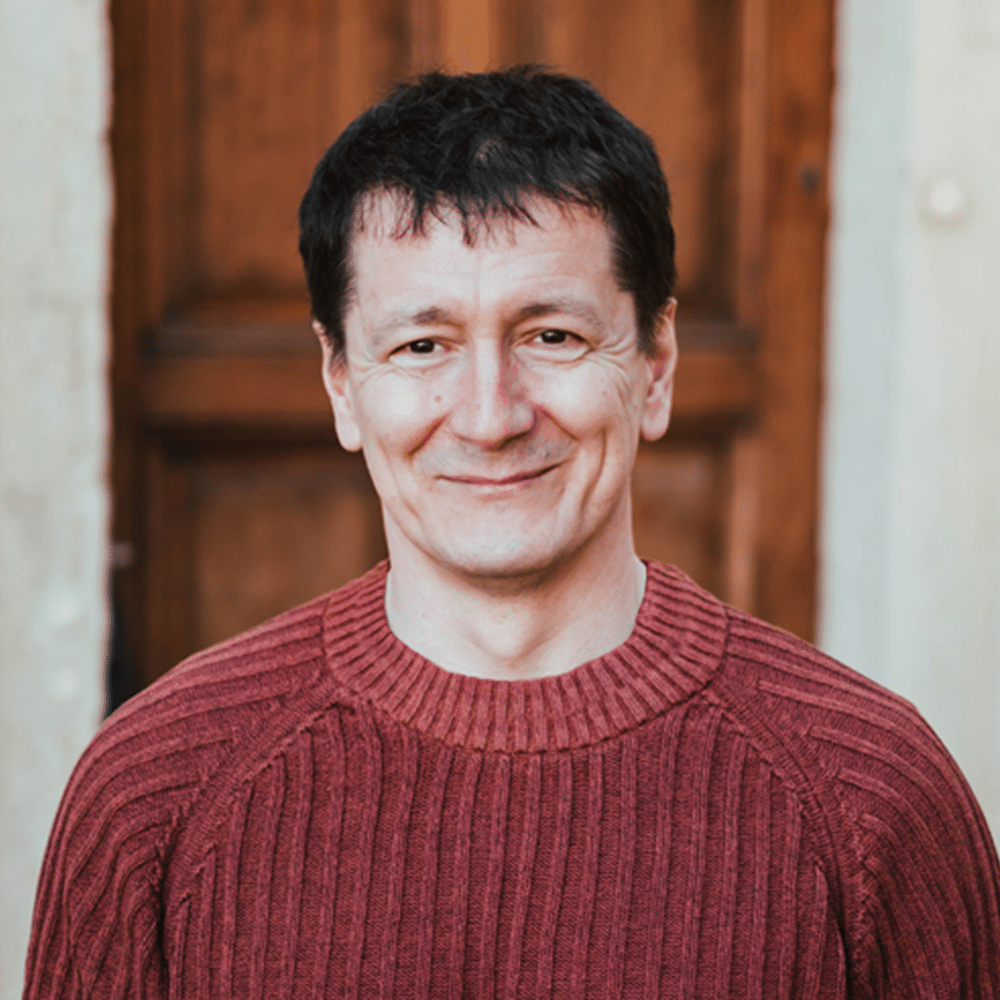
Csató Lehel: Explainable AI with prototypes - methods and challenges. TMIT MI Szeminárium, 2025. november 7. https://ai.tmit.bme.hu/talks/explainable-ai-with-prototypes-methods-and-challenges/

Átirat · 44:28
Um, hello. Wow. So things work fine.
Átirat · 44:34
Uh yeah, thanks for being here. Um I'm from the from the local university babes boy
Átirat · 44:42
and u I speak on behalf of a team which you see on the right hand side.
Átirat · 44:49
Hopefully you can see them all. Uh some of them are here, some of them are possibly online. Uh some of them are
Átirat · 44:56
were here. uh like subwo uh they have former team team members and subwo
Átirat · 45:01
please consider the three dots uh on the line line behind that's uh that is yours
Átirat · 45:08
um uh the talk that I'm trying to speak uh trying to give today is about
Átirat · 45:14
something we started a few years ago it's called prototype based decision
Átirat · 45:20
making systems and um yeah let's let's see just the
Átirat · 45:25
just the content. So I will uh I will structure it as as something like a
Átirat · 45:32
motivation why why is a a decision has to be justified what are the benefits
Átirat · 45:39
what are the drawbacks then I will I will have a one or two two slides about
Átirat · 45:46
why is important from a from a legal perspective if a little bit zoom zoom out from our technical fields and then I
Átirat · 45:53
will try to speak a little bit about the the technical it is uh hope I won't be
Átirat · 45:59
too long anyhow I was told that at six uh no at five sharp we should stop I
Átirat · 46:06
think that this was well okay if not then then I'm a little
Átirat · 46:11
bit little bit happier hope I won't drag you too too long on it so anyhow and I
Átirat · 46:17
will draw some conclusions which are mine and does not represent the group or
Átirat · 46:23
anyone of the team members So first I would I would like to I would
Átirat · 46:28
like to start with an with the with the issue of the explanability like every one of you knows the number
Átirat · 46:35
42 which is which is the greatest number of all. Um it says that um that's the
Átirat · 46:41
answer of to the question what is the meaning of life the universe and everything and what he said it's the
Átirat · 46:50
computer was saying 42 and he said that after 10 millions of years of computing and I find it really metaphorical the
Átirat · 46:57
fact that uh today as of today we're building um computer b compute bases
Átirat · 47:04
that are can do literally this 10 millions of years of computing in a matter of months
Átirat · 47:11
and the promise is that they will be even faster. So then then when the computer gives us
Átirat · 47:18
the 42 and just remember in the in the matter of months the question is so what
Átirat · 47:24
why 42? What does 42 represents? And even in the in the in the hitchhiker
Átirat · 47:30
guide to the galaxy by Douglas Adams u this question it says that it would require another 10 millions of years of
Átirat · 47:38
computing but the fact is that the people did not know what they want to ask in the first time f the first
Átirat · 47:44
instance. So uh just to put it back into into much smaller scale um we all know
Átirat · 47:52
that neuronet networks are are black boxes. So uh what do we do when when we
Átirat · 47:58
see a decision? What what how do we interpret it? Are we able to say if
Átirat · 48:04
things go wrong did they go go wrong? So so the these are the questions that we were trying to uh trying to to to
Átirat · 48:12
answer. And if we focus on on the image classific on the image and decisions
Átirat · 48:17
related to the images for example we might say well why is that system saying
Átirat · 48:24
that the road is muddy because I see there are some patches which which have a certain uh specifics
Átirat · 48:30
or let's see that and this is a just I I um this the images are little bit old
Átirat · 48:37
and and for for most most of the of the people that that work with the this is looks familiar. here. So for example,
Átirat · 48:43
what I what I want to say is that you see there are three three images and the three images the top is represents the
Átirat · 48:50
motorway and the second is that the rural type and below is something which
Átirat · 48:57
is which we call urban type and the well the the heat maps they saying that
Átirat · 49:05
probably the the reason why the classification is such because the heat maps indicating it. So we want to
Átirat · 49:13
achieve something like that or uh this is this is work done by um um Hana and
Átirat · 49:19
Tomas. What what do we want? What we do want is that for each class of m monkeys along
Átirat · 49:27
the lines of saying uh of saying that is the first type of monkey. The second
Átirat · 49:32
type of monkey [snorts] I'm not a biologist and I think the first line is an orangutan. Uh the rest you no uh
Átirat · 49:41
thanks. So no it's not even even that I don't know but essentially it's the the
Átirat · 49:48
the boxes which of which I highlighted only the the ones that on the first
Átirat · 49:53
column they saying that we found that as a justifi just justifying uh codes for
Átirat · 49:59
that image being of a certain class. So just remember next next to the fact that
Átirat · 50:06
we have we have images belonging to a class what we want to to achieve is to to see why are those images belong to
Átirat · 50:13
the class and and and we want to achieve that adaptively. So
Átirat · 50:18
um this uh justifiability also comes comes from from from a more general
Átirat · 50:25
point of view and if when I'm speaking about decisions I'm speaking about about
Átirat · 50:30
decisions in the banking world for example you might you might have a loan
Átirat · 50:36
uh approved or you might have a loan approved with a with a much higher interest and it's completely justified
Átirat · 50:42
that you're asking why do I get get this these these these numbers And uh as of
Átirat · 50:48
today um essentially this uh act of uh EU EU AI act European Union artificial
Átirat · 50:57
intelligence act what it says is that unless you have systems that have that
Átirat · 51:03
that have no risk on your financial and health and other status. uh you have to
Átirat · 51:11
you have to have a reasoning and you have to show every details that that led to the to the conclusion that you are
Átirat · 51:18
subjected to. So so this this kind of this kind of of an of an explan
Átirat · 51:24
explanation or explanatory mechanisms they are quite quite important for also
Átirat · 51:30
legal legal perspective. Um and in the in the second part of the talk I will try to speak about about
Átirat · 51:39
some uh specifics a little bit more tech technical technical issues that we we um
Átirat · 51:45
we tried out and we we had in the in the [clears throat] explaining of decisions
Átirat · 51:52
when they were related to the to the images. So what we what we did was kind of an an
Átirat · 52:01
like whether we can do we uh we tested whether we can do an an architectural
Átirat · 52:08
modification to a to a given simple system and this architectural
Átirat · 52:13
modification should be should have the explanation and those of you have who
Átirat · 52:19
are familiar with it's h something in contrast with something which we call the post hoc methods this is like ad hoc
Átirat · 52:25
methods and a a priority method. Sorry. So a first first uh of the the methods
Átirat · 52:32
if that you see is something which appeared in the talk of Stefan and then
Átirat · 52:37
later in in Botton Botton speech was that we should consider something some
Átirat · 52:43
some feature vectors and what what you see there is on the on the red on the on the right side of the image and these
Átirat · 52:49
features vectors there feature vectors they somehow encode the image and this is called on it's a you can you can
Átirat · 52:56
imagine like a loop on the on the left hand side of the image And it says please uh can I can I have a features
Átirat · 53:03
extracted added to these features there's something which we call uh which we the
Átirat · 53:09
the system takes away from some some images and takes away something which is which are called prototypes essentially
Átirat · 53:16
a representation of the image and it says that this image is is so important is so prototypical for the for the
Átirat · 53:23
specific class that I better keep it and Um, [clears throat] also Stefan was was
Átirat · 53:30
saying some some something about the history of the of these uh line of research already in the 1980s that
Átirat · 53:38
appeared as an something we we call the radial basis function networks RBFs
Átirat · 53:43
which had a the notion of a center and everything that was the so the decision
Átirat · 53:49
was based on the on the set of centers and some combination of it usually a an
Átirat · 53:56
exponentiated a Gauss bear curve and and then a a linear summation weighted sum
Átirat · 54:02
summation. So just to just to just to to to get how these systems work, it's
Átirat · 54:10
specifically instructive and in this case if the the further away you are
Átirat · 54:15
from the image, the the the the better you can glimpse that on the left hand side of of of the bottom image is a I
Átirat · 54:23
think is a puppy is a small dog. Uh and um what you see is that the uh
Átirat · 54:33
decision whether there's a puppy or not there's a there's a dog there or not is based on the reconstruction on the
Átirat · 54:40
feature of of which is reconstructed as that blurry image that what is seen. So
Átirat · 54:47
the conclusion is that these systems these prototypical systems even even if
Átirat · 54:54
it if you try to do it well or or or very very well um they essentially they
Átirat · 55:00
have a kind of a color and much less a texture but but a shape
Átirat · 55:05
based um uh features as a decision. So
Átirat · 55:11
the improvement that was made is to somehow to consider regions of a of a
Átirat · 55:18
bigger image and there you see you see there um I think is a finch or
Átirat · 55:23
something. uh re so to consider regions from a from a from an image and uh
Átirat · 55:29
essentially this these features ve feature vectors of which you saw the in this uh autoenccoder type um um networks
Átirat · 55:36
of the latent representation these feature vectors somehow should relate
Átirat · 55:41
also to the topologies to the location of the of um of those features in the in
Átirat · 55:47
the input image. So you can you can you can also see that that in this um in this uh um the
Átirat · 55:57
prototypes they they are not only encode the image but they also encode the region of the image that is that is
Átirat · 56:04
interesting to us. So, uh what you had to see is is that uh
Átirat · 56:12
also they they work very very close to the to the um to the um autoenccoders
Átirat · 56:18
and also the uh prototype layers added to that this kind of locations
Átirat · 56:25
um to the in in these images and u again
Átirat · 56:30
what I what I want to show is that um here we didn't need the reconstruction
Átirat · 56:35
construction. But what we had what we could do is that um we had the kind of a
Átirat · 56:41
classification and uh you see the three classes there on the uh vertical axis
Átirat · 56:47
and the correct was the rural class which is shown in in um green and what
Átirat · 56:56
we see is that we could we could also see the justification. Um
Átirat · 57:03
so what what was what was wrong is that very often we had we we did this uh this
Átirat · 57:09
uh classifications they were they were not not correct but nevertheless they
Átirat · 57:15
were pretty certain that that that class uh is urban and and it should should
Átirat · 57:21
have been rural in uh in this case. So what we've done so is that was the um
Átirat · 57:30
the conclusions that that we drew is that while this
Átirat · 57:35
uh prototype networks they in spite of fact them them being good it's uh that
Átirat · 57:41
we might we might do some some some other uh we call it improvement uh and
Átirat · 57:47
[snorts] one specific type one specifics of the system that we we we attacked uh
Átirat · 57:53
was to see some to see the the non nonlinear um type of the of the backbone
Átirat · 58:01
and we said that why not having it uh uh something which we call locally linear
Átirat · 58:07
and uh uh do the the composition along those those lines. So it's a it's a
Átirat · 58:14
protoet system that we that we u uh
Átirat · 58:19
developed. It's done with Tamas Costa and Halib and she she she's present here
Átirat · 58:26
and then acknowledges to thanks to her. Uh and what we've done is that we we
Átirat · 58:32
used kind of a rectangular regions that you see on the on the on the image. It's
Átirat · 58:38
a monkey. I think it's a bonobo. Sorry.
Átirat · 58:44
Mandril. Thank you. So it's a it's a mandrel. And uh uh this uh every every
Átirat · 58:50
uh rectangular area is decomposed so so that it it has a feature uh assigned to
Átirat · 58:56
it. Uh the good part is that the decomposition is such that it's it is
Átirat · 59:03
invertible. So if you if if you speak mathematically
Átirat · 59:09
mathematically that invertability is good because we can immediately
Átirat · 59:14
identify. So we have no problems with explaining of why why is there we can always show it and uh uh we've done it
Átirat · 59:23
with with a with a wave that de composition that was supposedly working well for uh for images and this is this
Átirat · 59:32
is a kind line of research that is done by mathematicians like doashes or or um
Átirat · 59:38
Stefan Mala um just to just to name a few and
Átirat · 59:45
What was that? We could we could identify next to the correct classification, we could identify the
Átirat · 59:51
the the markings. And hopefully you see it's a is a is a little patchy, but
Átirat · 59:57
there's a there's an orange or a purple a purple uh rectangle around the around
Átirat · 1:00:04
the u the landmarks or the reasonings of why why it was the uh the uh decision
Átirat · 1:00:11
was was was made. Of course, you also had incorrect incorrect cases.
Átirat · 1:00:20
But uh overall, what uh what we saw what we said that these all these methods
Átirat · 1:00:26
that we that we employed I mean the protoet and the and the and the wave wave protoet they were achieving results
Átirat · 1:00:34
that are that were very similar uh on a test case of this data set. I'm just I'm
Átirat · 1:00:40
just foreshadowing that it's uh it was it was from the from the Bosch
Átirat · 1:00:46
company. Uh so the results from this data set were were um the losses that as
Átirat · 1:00:54
Mihi was saying they were a little bit better than than those of the protoet.
Átirat · 1:01:00
Uh so just just a few conclusions and once again these conclusions are mine.
Átirat · 1:01:06
Um, of course that is uh what that what what we had that the prototype based
Átirat · 1:01:12
architectures are a possible direction to explainability
Átirat · 1:01:17
and again it's better that the prototypes to be simple. Um and that is a that is a that is a
Átirat · 1:01:24
good sign and is is a is a bad bad um sign also. For example, it is not able
Átirat · 1:01:31
to recognize rotations the way it was u uh implemented.
Átirat · 1:01:37
And um why is that important? uh not for the for the drivers but if you consider
Átirat · 1:01:44
medical images uh for example what we're doing is uh salivation images
Átirat · 1:01:50
um and the crystallization then that's the rotation invariance
Átirat · 1:01:56
it feels like it it it it is a must um also um from a from a teaching
Átirat · 1:02:06
perspective I I I have also some some some conclusions. Uh we coded in a in
Átirat · 1:02:14
something which is which which is not Python. So we did not have the enormously large um code base and
Átirat · 1:02:21
library for that. Uh we used we use something which is called Julia. Um it's
Átirat · 1:02:29
very close to to uh to my heart because it's a kind of a function functional
Átirat · 1:02:35
like programming and it's very close to mat lab which most of you know or most of you know with a with an epos from the
Átirat · 1:02:44
statistics or uh numerical computings. Um also it was it is it is interesting
Átirat · 1:02:50
that in the in the last one or two years that's a kind of a in this GPT
Átirat · 1:02:57
and AI for everything uh um the conclusion was that u um it was very
Átirat · 1:03:04
difficult to get the programmers to to to do the job or to try to code and and
Átirat · 1:03:11
interpret uh the results. And um just to say this to you that I'm
Átirat · 1:03:18
I'm speaking about students in the third in the third years of of of study who
Átirat · 1:03:25
worked with me in a in a group of uh what we call collective projects and uh
Átirat · 1:03:31
there was a there was quite a lot of quite a bit of u issues with that.
Átirat · 1:03:38
Why why should we do that? Why is that the results? and they say and they they just did not know it. So with that
Átirat · 1:03:46
thanks and I just want to acknowledge once more the uh the u the work of the
Átirat · 1:03:52
group. I also want to acknowledge the the help from uh from the Bosch and I
Átirat · 1:03:58
and I acknowledge the uh Ka the Romanian hub for artificial intelligence which is
Átirat · 1:04:04
which is now the group is is part of. So with that thanks
Átirat · 1:04:12
[applause] Thank you very much. Very nice. Uh so we
Témák
iMI-támogatott
Az MI az előadás tartalma alapján javasolja a hozzá leginkább kapcsolódó témaköröket. Szükség esetén új témakört is javasolhat; az új témák szerkesztői jóváhagyással kerülnek be az archívumba.
Összefoglaló
iMI-támogatott
Az összefoglaló az előadás átirata alapján, mesterséges intelligencia segítségével készült. A tartalmat az archívum szerkesztője ellenőrizte. Az MI által készített szöveg ennek ellenére tartalmazhat pontatlanságokat.
Fejezetek
iMI-támogatott
A fejezetcímek és időpontok az előadás átirata alapján, mesterséges intelligencia segítségével készültek.
Kapcsolódó előadások
i
A kapcsolódó előadásokat a témák és előadók közötti átfedések alapján rangsoroljuk. A legerősebb kapcsolódást mutató három előadás jelenik meg.
Az egyező témákat és előadókat kiemeljük.